

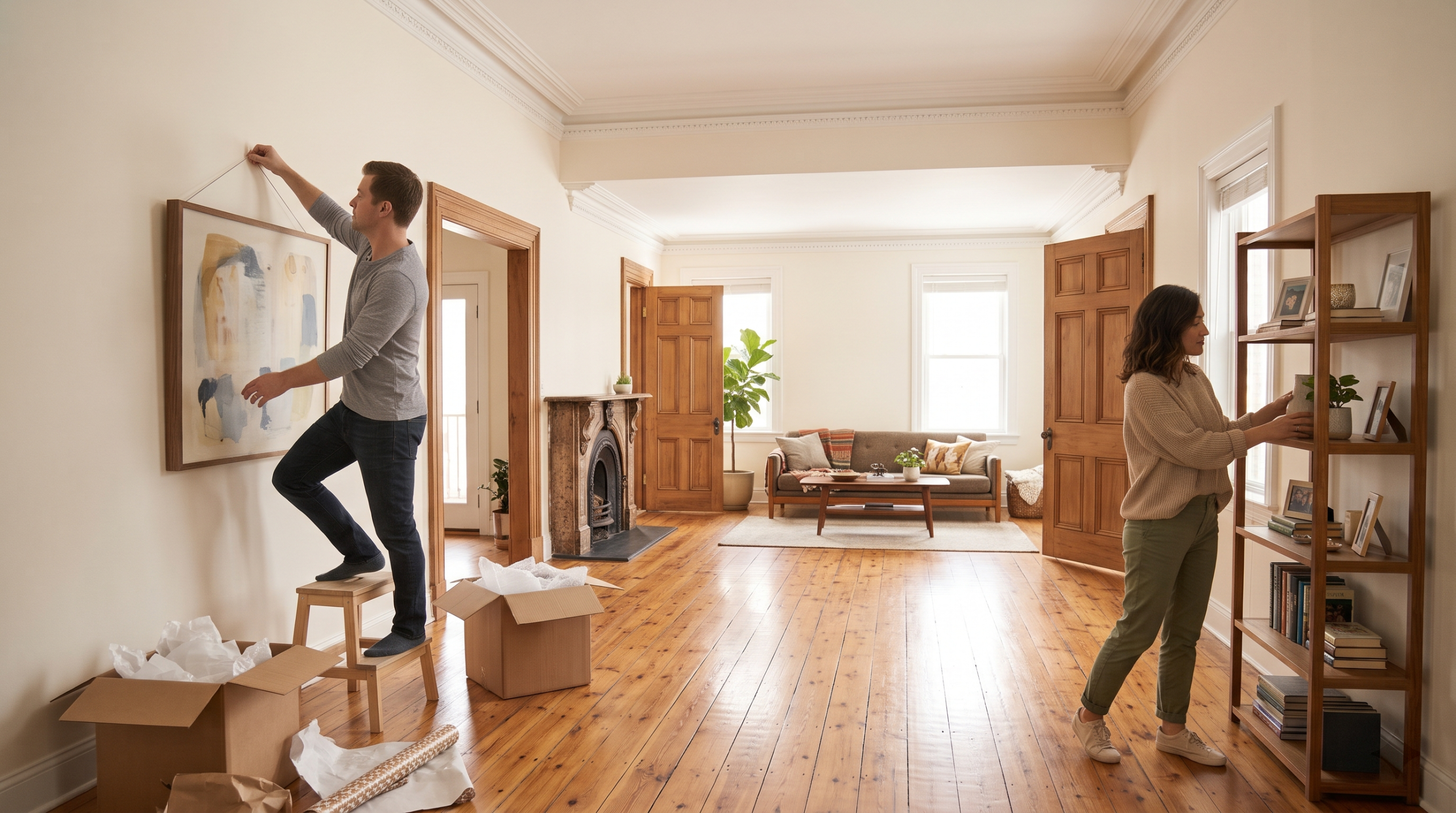
Sash windows that rattle every time a bus goes past. One plug socket in a room that needs to charge three phones and a laptop. A front door key that needs a particular wiggle before it turns. Living in an older home often means working around its quirks every single day.
You are far from alone. The latest English Housing Survey found that one in five owner-occupied homes in England, and almost a third of privately rented homes, were built before 1919. With the right changes, an older home can suit modern living just as well as a new build.
Start With How You Actually Use Each Room
Before changing anything, notice where the household gathers, where clutter builds up and which rooms barely get used. A survey before major work can also flag damp, ageing electrics and which walls are load-bearing.
Knocking every wall through is not always the answer, as fully open-plan spaces can feel echoey and hard to heat in an older house. A broken-plan layout, using glazed internal doors or wide openings, lets light travel while keeping some separation. A formal front room can become a home office, and built-in hooks and shoe storage can stop a narrow hallway becoming a dumping ground.
Decide Which Period Features Are Worth Keeping
Original fireplaces, cornicing, panelled doors and solid timber floors are hard and costly to recreate once they have gone, so it pays to protect them when you modernise a period property. Woodchip, crumbling Artex and badly fitted 1970s additions, on the other hand, can usually go without much regret.
Tackle Draughts and Heat Loss Without Losing the Original Windows
A cold older home is usually a fabric problem before a heating problem, so topping up loft insulation and sealing gaps around doors and skirting boards often makes sense before buying a new boiler. Windows rarely need replacing either. Historic England points out that around a fifth of a home’s heat escapes through its windows, mostly through the gaps rather than the glass, and that draught-proofing a sash window in good condition can cut air infiltration by up to 86%. Internal secondary glazing adds insulation while keeping the original frames, though owners of listed homes or homes in conservation areas should check with the council first.
Avoid sealing every gap, though. Solid brick and lime plaster were built to let moisture escape, so non-breathable paints or the wrong insulation can trap damp. Extractor fans and trickle vents help keep things dry.
Check Doors, Locks and Everyday Fittings
Fixtures and fittings are easy to overlook because they still technically work. Hinges drop, doors swell in damp weather, and decades-old locks wear until they stick or offer less resistance than they should. External doors matter most, as they affect your security and insurance.
A guide from Allianz explains that most insurers expect timber front doors to have a five-lever mortice deadlock meeting BS3621, and that in older properties the marking may only be visible once the lock is taken out. Some locksmiths, such as the team behind Barry Bros lock repairs, renew the internal mechanism of an existing lock, which is worth asking about when the door itself is original. Check ground-floor window latches at the same time.
Older Features and Their Modern Alternatives
| Older Feature | Common Problem | Modern Alternative |
|---|---|---|
| Small, separate rooms | Dark, closed-off spaces | Glazed internal doors or partial openings |
| Single-glazed sash windows | Draughts and heat loss | Repairs, brush seals and secondary glazing |
| Old mortice and rim locks | Worn mechanisms, unknown standards | Repairing or fitting a BS3621 lock in the existing door |
| Few plug sockets | Extension leads everywhere | Extra sockets with USB points in period-style finishes |
| Single pendant lights | Flat, gloomy rooms | Wall lights, lamps and dimmer switches |
Update the Services Quietly
Extra sockets, traditional column radiators and smart thermostats let an older home meet modern demands without looking out of place, and a wired internet connection can be more reliable than wifi through thick solid walls. Ask an electrician to check the wiring before adding heavy loads such as an electric shower or car charger.
Furnish for the Rooms You Actually Have
Alcoves, chimney breasts and uneven floors rarely suit bulky flat-pack pieces. Fitted alcove shelving and solid furniture sized to the room tend to work better and last longer, one reason fast furniture is losing its appeal. Mixing a modern sofa with a vintage sideboard suits older rooms better than a matching set, and painting dark woodwork in soft shades such as sage green or warm off-white brightens a room quickly. This look at the psychology of home decor explains how colour shapes a space.
No More Working Around Your Home’s Quirks
Modernising an older home does not mean choosing between character and comfort. Fix the draughts, check the doors and locks, bring the services up to date and furnish around the shape of each room, and the quirks that once drove you mad start to feel like part of the charm.
